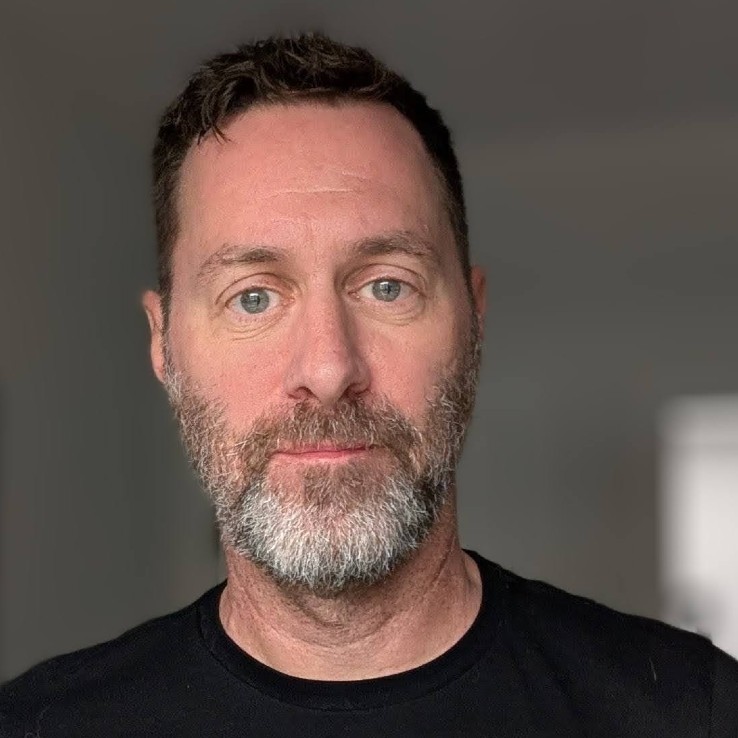
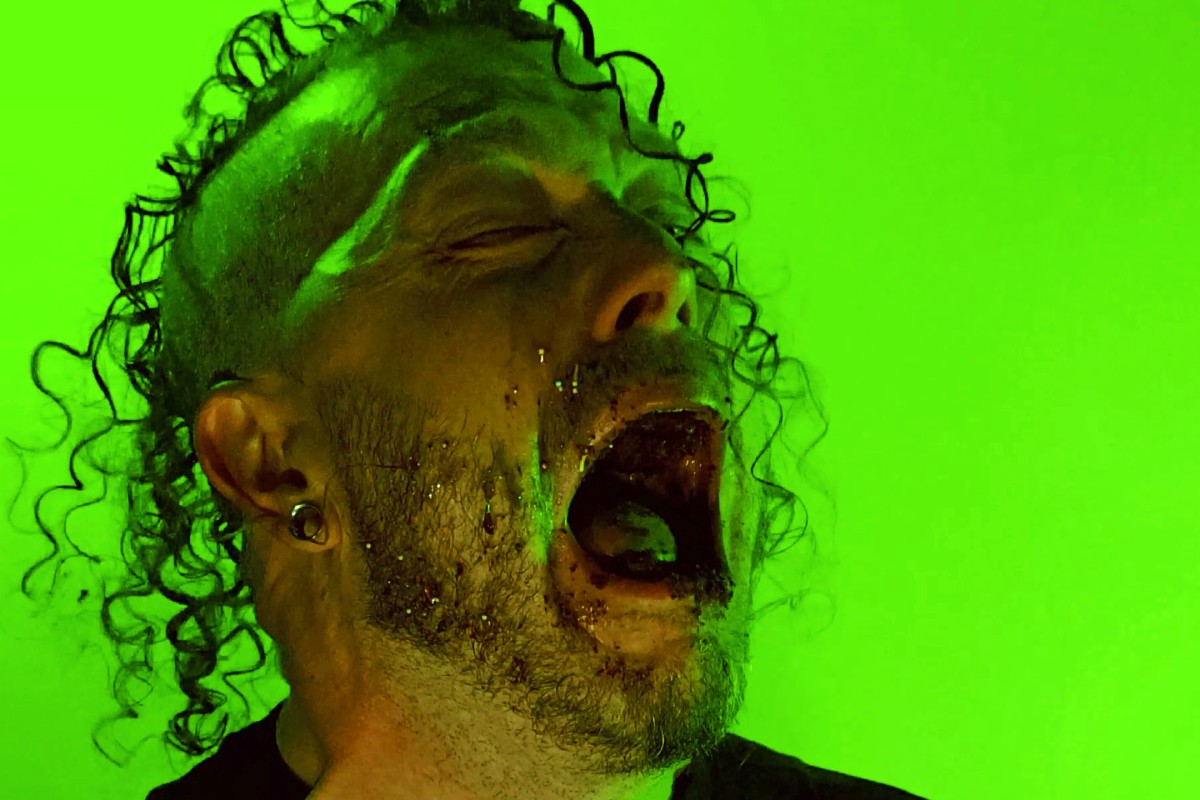
Few artists in the dark electronic landscape wield their voice as fearlessly as j:dead. The UK-based musician moves fluidly from guttural shouts charged with blistering intensity to melodic moments of startling tenderness. That dynamic has defined his music since his 2021 debut album A Complicated Genocide, giving it an emotional force that allows fury, doubt, and vulnerability to coexist.
As 2026 gets underway, j:dead is embarking on his most ambitious undertaking yet: a year-long release cycle that will see him unveil a new single every month. The campaign began in December with “Pressure” and continues this month with the reflective banger “Disgusting.” Rather than package these songs into a traditional album, j:dead is giving each release space to breathe—an approach that mirrors the realities of modern listening and his own creative process.
I reached out to j:dead to talk about the logistics of this year-long project, his relationship with genre, and the instinctive way he uses his voice as an expressive tool. Here’s what he told me.
Congratulations on “Disgusting.” It’s a strikingly self-critical song. Was there a specific moment or realization in your own life that sparked it?
No, there wasn’t a single defining moment that sparked the song. Releasing a track like this feels unusual because it is emotionally, mentally, and physically critical of myself. However, it reflects something I was experiencing over a period of time.
I use j:dead as a way to process and understand my thoughts and feelings, either in a specific moment or across a longer period. While the track is extremely self-critical, it is an honest reflection of how I felt at the time. It is important for me to release music that is intrinsic to how I feel and how I reflect on myself.
The song feels like it will resonate with anyone who’s ever felt inadequate. What do you hope listeners take away from it?
I don’t want people to feel inadequate from listening to this song. There isn’t an underlying message intended to make people feel that way. This is something very personal to me. What I hope listeners take away is the understanding that we are all human, and it is completely normal to feel inadequate or unhappy with yourself at times. It is also normal to look back on moments in your life and feel you could have made better decisions that aligned more closely with your values.
While many artists focus on uplifting or motivating messages, this song sits on the other side of that spectrum. It is about acknowledging that not liking yourself at times is part of being human, and what matters is how you choose to deal with those feelings.
Your music is not easy to classify. How do you feel about being grouped under the “synthpop” umbrella? Are there any classic or modern synthpop bands that have shaped your sound—or that you just particularly like?
Defining my sound under a single umbrella is becoming increasingly challenging, especially when I look back over the five years I’ve been releasing music.
My earlier work had much stronger synthpop influences, and synthpop is still a huge part of my musical DNA. I listen to a lot of 80s synthpop daily, and artists like Depeche Mode and Duran Duran have had a major influence on me. I believe 80s music represents the pinnacle of pop music, and that still resonates in my writing. However, my newer material leans more toward an industrial, club-derived sound, which I am really enjoying exploring.
Having a solo project and a supportive label allows me to evolve freely. Synthpop still influences my vocal melodies, but it is less obvious now. Ultimately, the label doesn’t matter to me. I want j:dead to evolve naturally alongside where I am in my life.
I really love your voice and how it can shift from harsh intensity to smooth melodies to tender ballads—sometimes in the same song! When you work on a track, do you plan those vocal modes strategically to reflect the emotion you’re trying to convey? Or do they emerge instinctively?
My creative process is intentionally disorganized because I want it to feel as free as possible. Vocals, lyrics, and vocal melodies usually come last and are built on top of the music. Often, I don’t fully realize what I’m writing about until the end. Because my lyrics are reflective and personal, it feels natural to lean into different vocal techniques to express those emotions.
My vocal approach has evolved significantly over the past five years. Everything I create within j:dead is a reaction to something else. My vocals and lyrics are reactions to how the music makes me feel, and those feelings reflect how I view myself. At its core, the process is instinctive.
You’re planning to release a new song every month this year. What inspired you to take on this challenge? Are you feeling confident, anxious, energized, or something else?
There are two main reasons for this approach. First, I like the idea of giving each song its own individual platform. With traditional album releases, some tracks get lost because listeners don’t always listen from start to finish. Releasing each song individually allows listeners to spend more time with each track, which I personally appreciate when discovering music.
The second reason is strategic. Modern music consumption favors frequent releases, and as a smaller act, this helps introduce j:dead to new listeners. Through these twelve releases, I hope people discover different elements of my music and explore my back catalogue. While it is challenging, I feel energized and increasingly confident, and the anxiety is beginning to subside.
I’m curious about how this works. Do you already have ideas or frameworks for these songs? Or are you approaching each month as a blank slate?
All twelve songs are already completed and scheduled. I’ve been working on them over the past two years, and the process has been more deliberate than before. I wanted a stronger evolution in my production sound, which required more early-stage creativity and critical decision-making. I revisited and refined many of these songs instead of releasing them immediately, which is something I might not have done in the past. Releasing them as individual singles has made me more detail-oriented, which has been a positive change.
Do you envision a collective thread or theme will connect these songs? Or are they meant to reflect whatever headspace you’re in at the moment of creation?
Each song was created individually based on how I felt at the time, rather than starting with a defined theme. While I admire artists who can work that way, it feels too restrictive for me. I can’t predict how I’ll feel over a two-year period.
That said, when I look back, there is a connecting theme: reflection and patience. I’ve been losing patience with some people while learning to have more patience with others. This duality reflects personal growth and a reassessment of where I invest my time and energy. Each song explores a different aspect of that journey.
A handful of other artists have taken on similar challenges. Are there any lessons you’ve learned from watching them—or pitfalls you’re consciously trying to avoid?
It’s difficult to fully compare experiences without personal insight into another artist’s journey. The only visible indicators are platform statistics, which show that reach often grows over time with this approach. While it would be validating to see new listeners discover j:dead, this process is primarily about giving each song its own space. I’m focused on what this strategy does for my project rather than comparing results with others, as constant comparison can create unnecessary doubt.
Good luck with this project, and here’s to an amazing 2026. Do you have any New Year’s resolutions?
I don’t typically set New Year’s resolutions because I often end up failing at them. However, over the past few years, I’ve been doing a lot of self-reflection and personal growth. For j:dead, my main goal is to ensure that all releases happen on time without issues, which requires stronger organization from me. I’m also hoping to perform more live shows across the globe, as live performance is at the core of what j:dead represents.