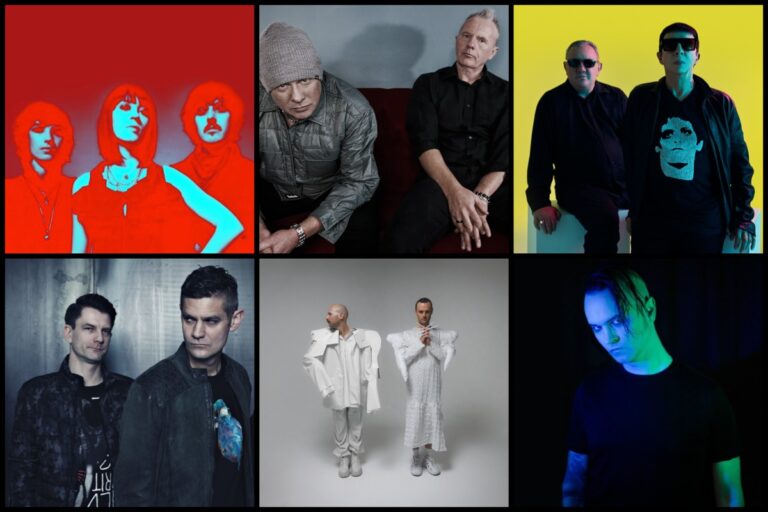
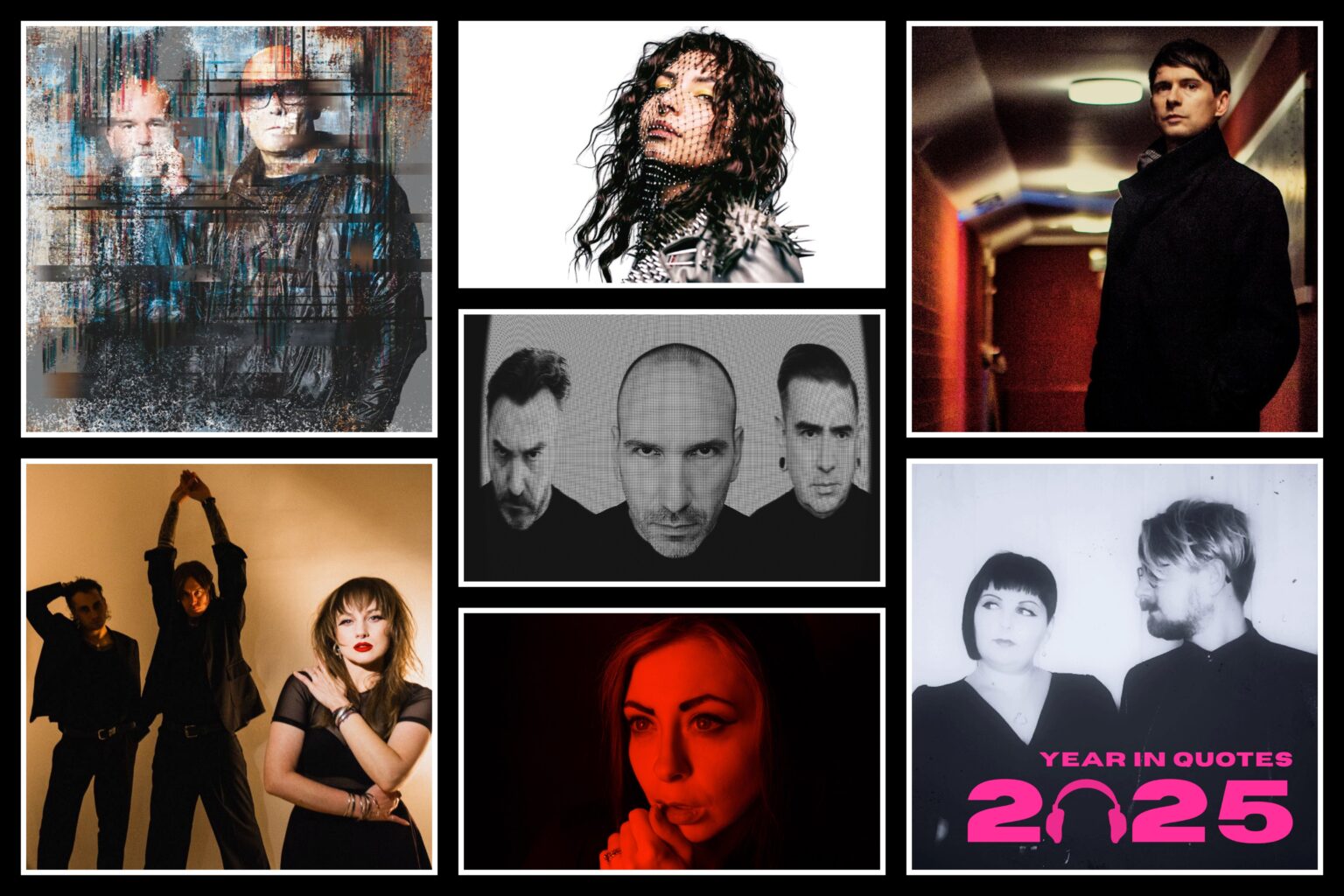
Let’s get started looking back at the year in synthpop. Each month, I interview musicians with new albums on the horizon or other notable projects in the works. This year, I had the pleasure of speaking with legends like A Flock of Seagulls and modern favorites like Promenade Cinema. Taken together, these conversations offer more than a peek into their creative minds—they also chronicle the mood and prevailing issues of the scene.
Here’s a roundup of standout quotes from my 2025 interviews. Be sure to click the links to read the full conversation.
Next up in my year-end recap, we’ll take a look at the synthpop cover songs of 2025. Then for my final interview of the year, I’ll be talking with my pick for Best New Artist of 2025. Follow me on Facebook or Instagram if you want to keep up with everything. You can also subscribe to my RSS feed on your favorite news reader.
Isaac Howlett
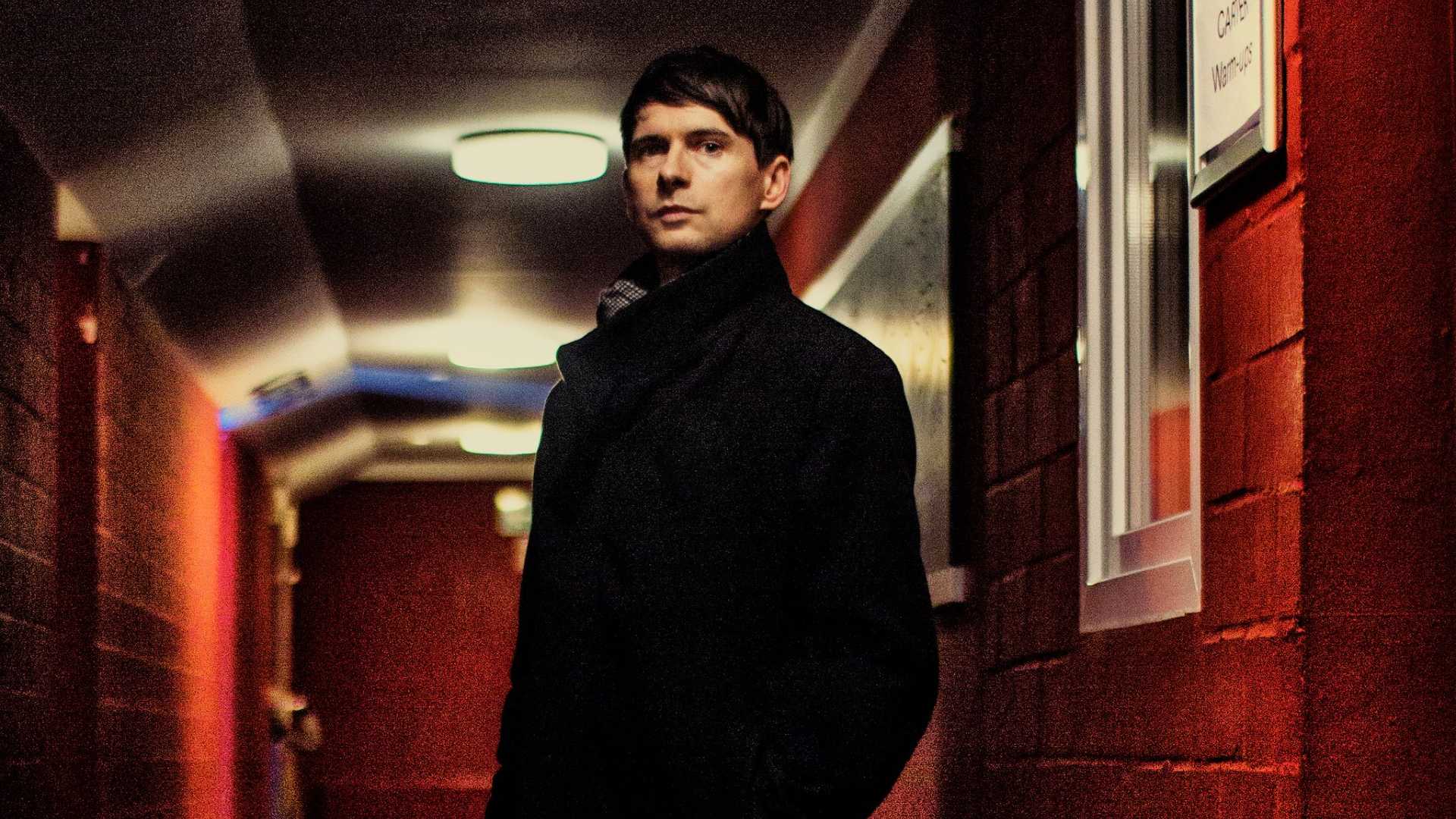
“I think the massive amount of new music constantly being made available (Spotify and labels encouraging bands to be consistently churning out tracks, be it covers, remixes, live versions, collaborations of varying quality) and the algorithms working against us rather than for us, has made life a lot harder for independent artists.”
Read the interview.
Massive Ego
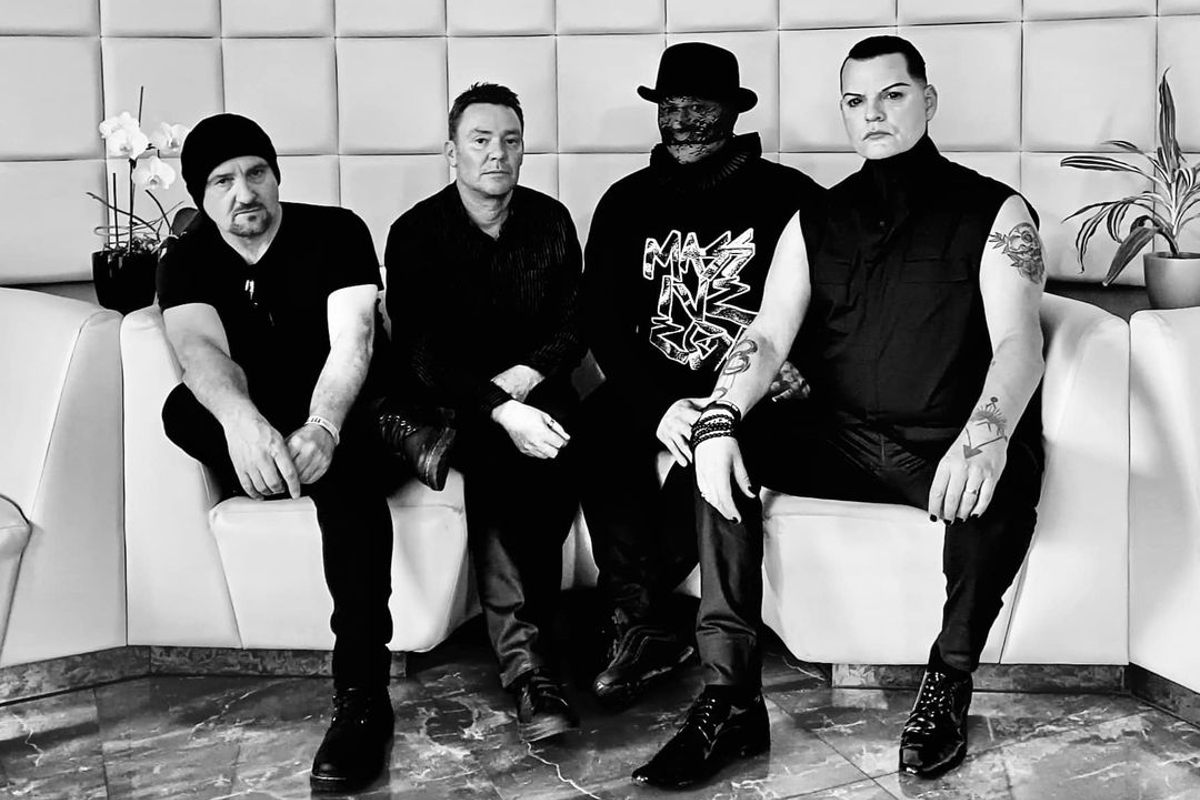
“I am happy knowing I’m not and never have been the person I’m being made out to be in some quarters. I’ve channelled the experience into lyrics, but even with depressing titles they all have a positive message and ending, and that’s what I’m about now.”
Read the interview.
A Flock of Seagulls
“Our connection with the audience is always good. Mostly it’s the nostalgia for them, I think, but we do get a good amount of younger fans as well.”
Read the interview.
Rupesh Cartel
“Age has also made us care less about certain things. You know, like I don’t really mind anymore if something we do sounds “too much like Depeche Mode” or whatever. If we like it, it’s fine.”
Read the interview.
Mari Kattman
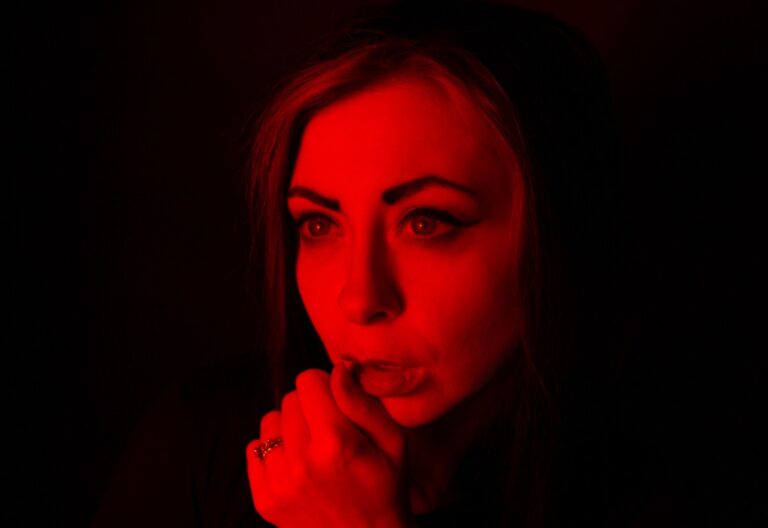
“I have noticed a lot more positivity and open doors for women in this particular music scene. I have also noticed more festival promoters are making space for some balance of male and female acts. I think what made me gravitate towards this scene is that there is always an open door for people who are different or change to the norm.”
Read the interview.
Nuovo Testamento
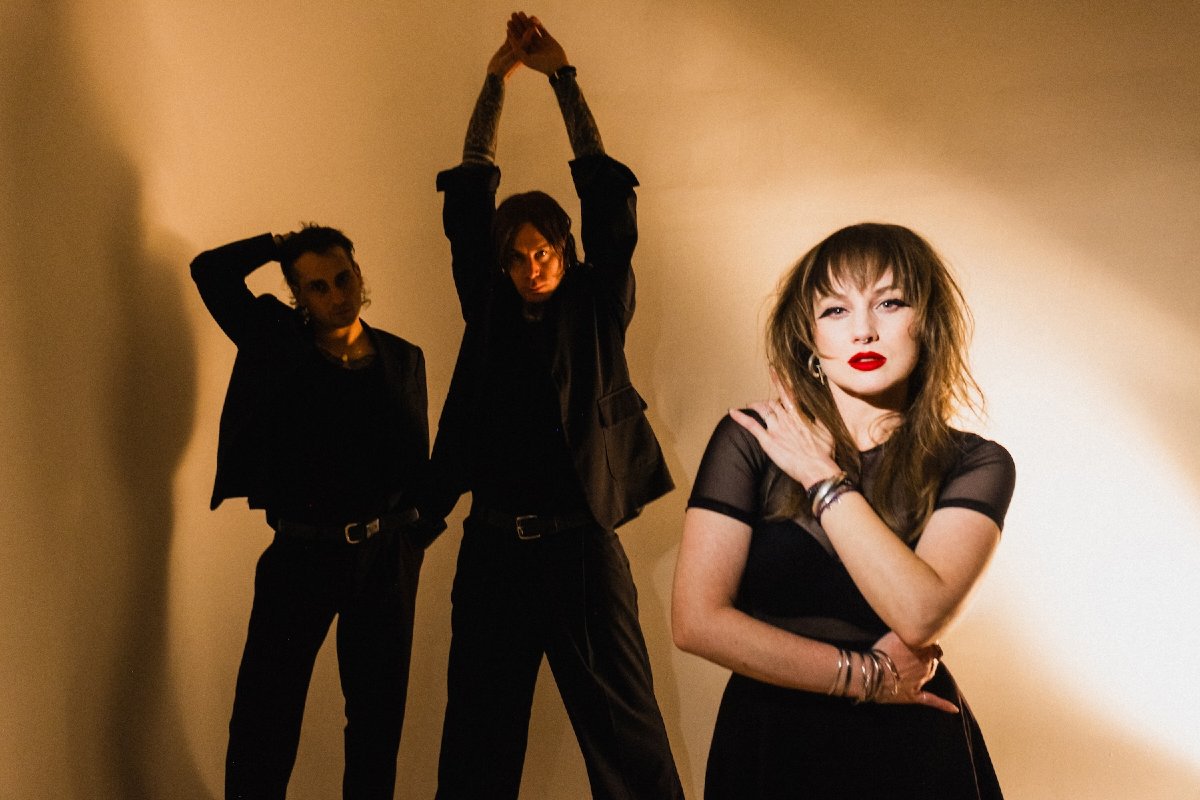
“We come from punk and goth and hardcore. I’d like to think that’s still evident in our live shows and in our music, no matter how much fun we have exploring pop music. And we see that in the audience. It’s amazing that our crowd is super diverse and, when new people are showing up but the audience is still full of metalheads and goths and the like, that is the most important thing for us because those are the people that have gotten us here.”
Read the interview.
Rotersand
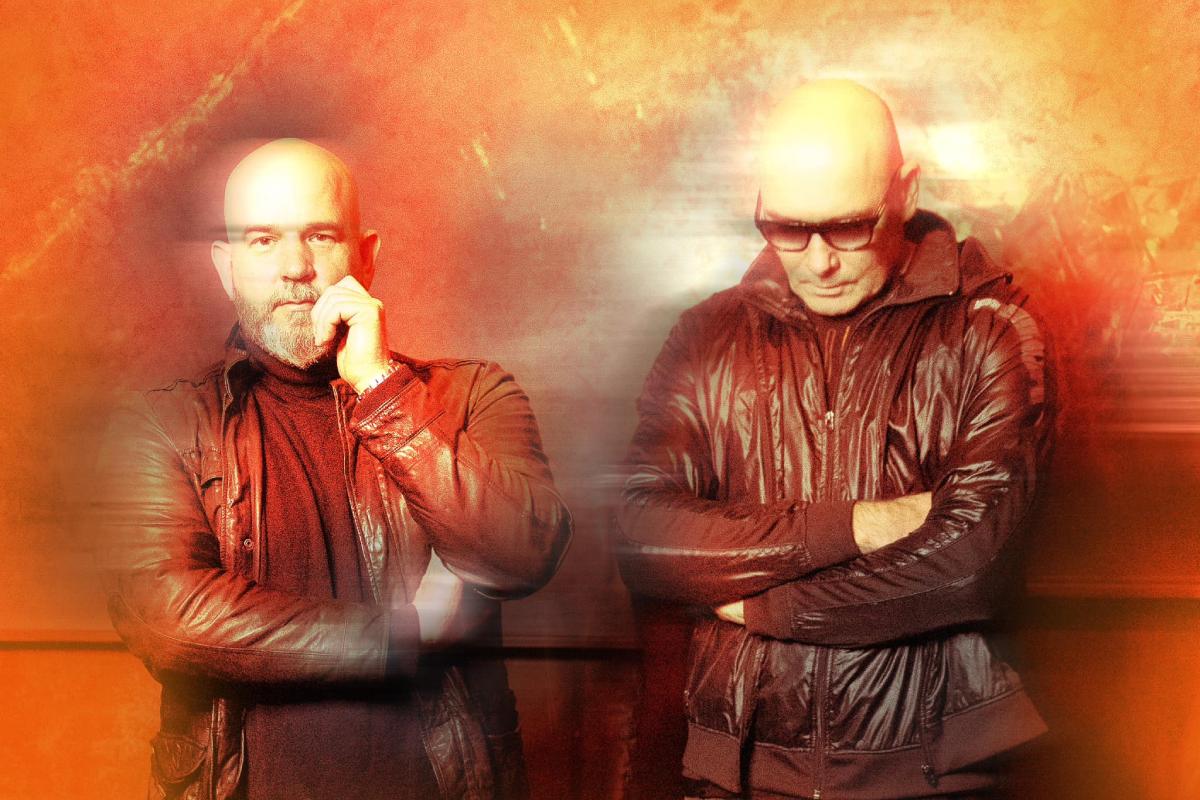
“Performing in the States as a European act isn’t too easy nowadays, given the costs for work visas and increased travel costs—especially after the pandemic. And as we are professionals making a living from music, we need to keep an eye on at least not losing money and on how to cover those costs upfront. It sounds harsh, but that’s part of the reality we are facing.”
Read the interview.
The Brides of the Black Room

“The inspiration for this storyline started with finding something more interesting—to us at least—than just releasing an album with singles, then on to the next album and singles. We liked the idea of working it as a kind of TV series, which I had not really seen done before by a band or musical collective.”
Read the interview.
Promenade Cinema
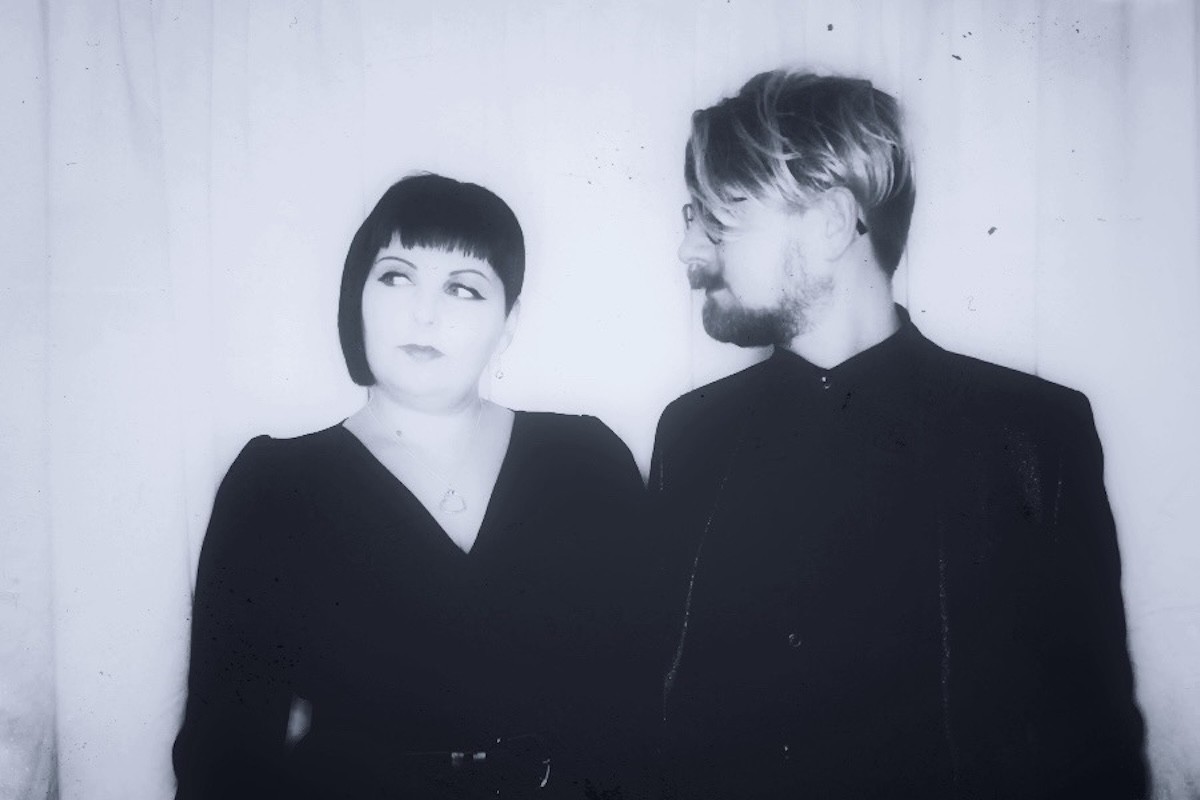
“There’s a sort of gothic romanticism I find with the imagery of the theatre itself that I adore. Writing the music with this visual cue in mind helps capture or at least potentially direct that passion into the music.”
Read the interview.
BlakLight
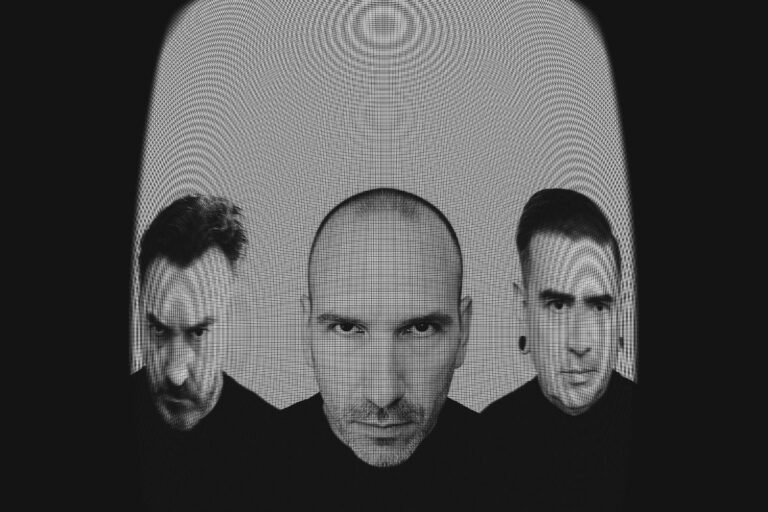
“We have been lucky to play alongside bands we admire. I think the one thing that makes touring and playing shows is seeing other bands we are friends with. It’s like being a part of an extended family.”
Read the interview.